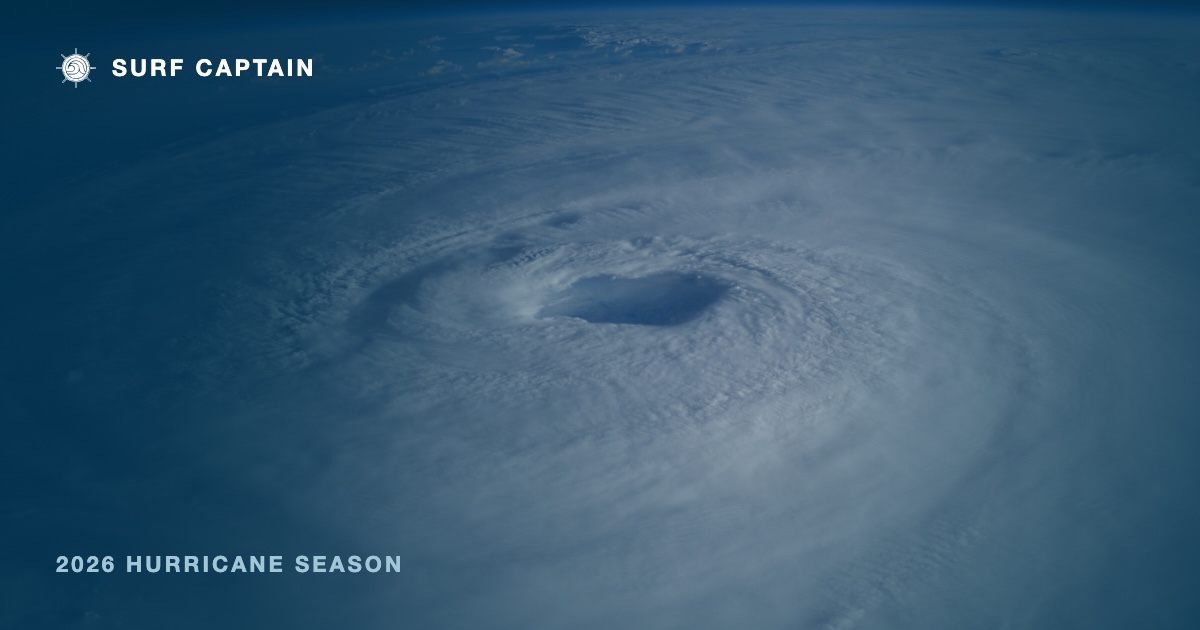
If it feels like this hurricane season has been unusually quiet, you're not imagining it. As of September 14, 2026, the Atlantic hasn't produced a single hurricane — the latest date on record without one, and counting. It's the latest start to hurricane activity ever recorded since satellite tracking began, breaking the previous record that stood until just a few days ago.
The season hasn't been silent — five tropical storms have formed (Arthur, Bertha, Cristobal, Dolly, and Edouard) — but none has strengthened past 74 mph, the threshold for hurricane status.
What's causing the slow season: A strengthening El Niño pattern in the Pacific is driving unusually high wind shear across the tropical Atlantic — strong upper-level winds that tear apart storms before they can organize. Wind shear has a particularly strong effect on the African easterly waves that typically fuel the "Cape Verde" storms responsible for many of the Atlantic's biggest hurricanes, which is a big part of why this year's tally has stayed at zero.
What to expect the rest of the season: Hurricane season doesn't end until November 30, and the Atlantic isn't done yet. As fall progresses, the favored area for storm development typically shifts away from the African coast toward the western Caribbean, the Gulf, and waters closer to home — areas less dependent on the easterly waves that wind shear disrupts most. October and November have historically produced some of the East and Gulf Coast's most notable storms, so a quiet start to the season is no guarantee of a quiet finish.
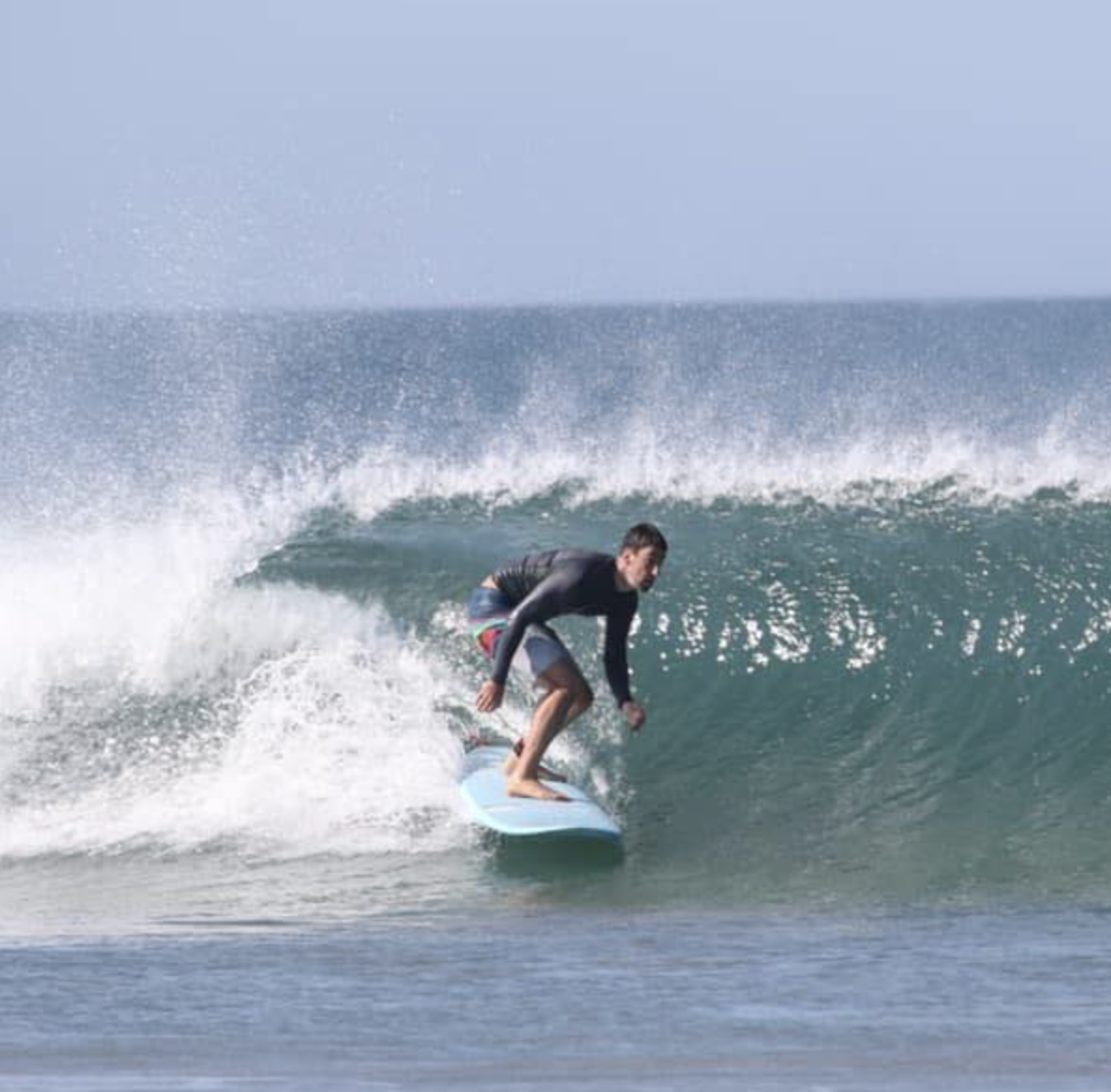
Meanwhile, out west: the Pacific has told a completely different story — not through sheer storm count, but through the rarity of what's formed. Two Category 5 hurricanes hit this year, Genevieve and Lowell, and Hurricane Lala made history as the first hurricane to make a direct hit on Hawaii's Big Island since 1871. California doesn't see these storms make landfall, but it's still felt them: one south swell after another has been rolling in from storms tracking off the coast of western Mexico, keeping the West Coast firing while the Atlantic stayed still.
We'll keep tracking the rest of the season closely — check your local Surf Captain forecast to see what's actually generating swell where you surf right now.